The Making

This page describes the design process of the Sigulda autumn souvenir – the autumn globe – from the first ideas and visual references to a digital 3D model. Every stage helped refine the souvenir's shape, composition and visual story.

Moodboard and visual references

Before developing the prototype, a moodboard was created to set the souvenir's overall visual direction, colour palette and mood. Examples of various autumn globes and decorative souvenirs were collected and analysed, with particular attention to their shape, composition and the placement of details.

Textures were an important part of the research. We studied how other examples render tree canopies, terrain, building surfaces and base finishes, to understand how different materials can achieve an expressive, three-dimensional result. These visual references helped us choose the most suitable approach for depicting Sigulda's autumn landscape and to create a design in which texture becomes a significant part of the souvenir's character.
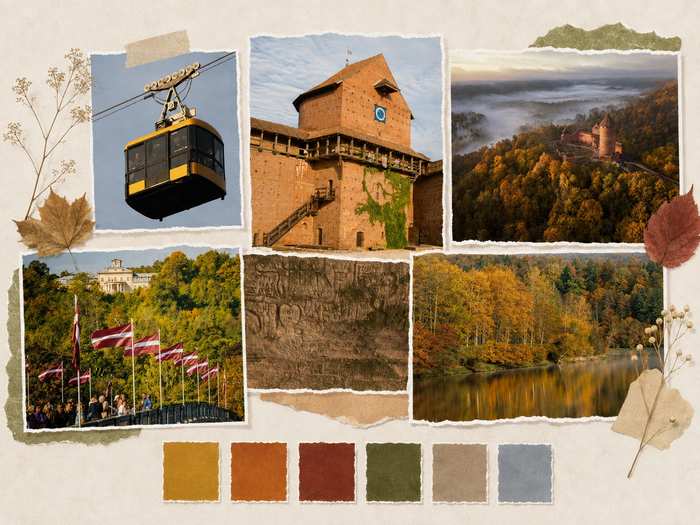
Sigulda Autumn Globe moodboard – visual references of autumn colours, Sigulda landscapes and snow globes

Concept development and sketches

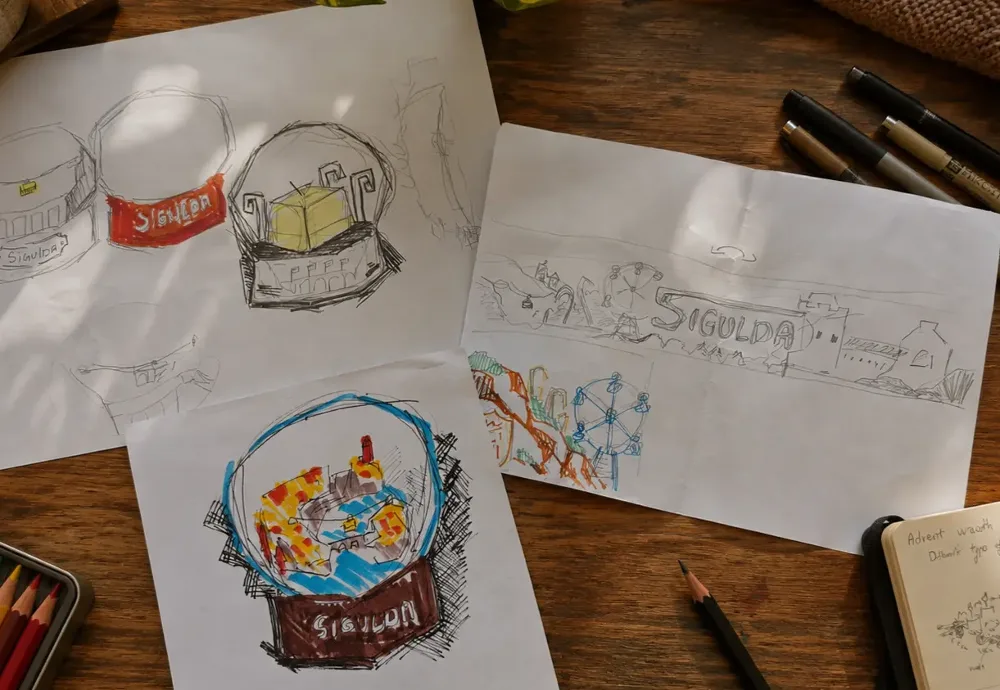
The design process began with several hand-drawn sketches, searching for a way to turn the mood of Sigulda's autumn into a unique autumn globe souvenir. Different compositions, shapes, architectural elements and decorative solutions were tried out to create a design that would instantly bring Sigulda to mind.

The first sketches explored the wider Sigulda landscape, while later the idea was developed into a more compact globe composition. The main task was to combine recognisable local architecture, nature and autumn colours while keeping the design clear and visually appealing even at a small size. The sketches helped define the overall shape, proportions, colour scheme and the placement of the word "SIGULDA" on the base.

The first concept sketches of the Sigulda Autumn Globe on paper

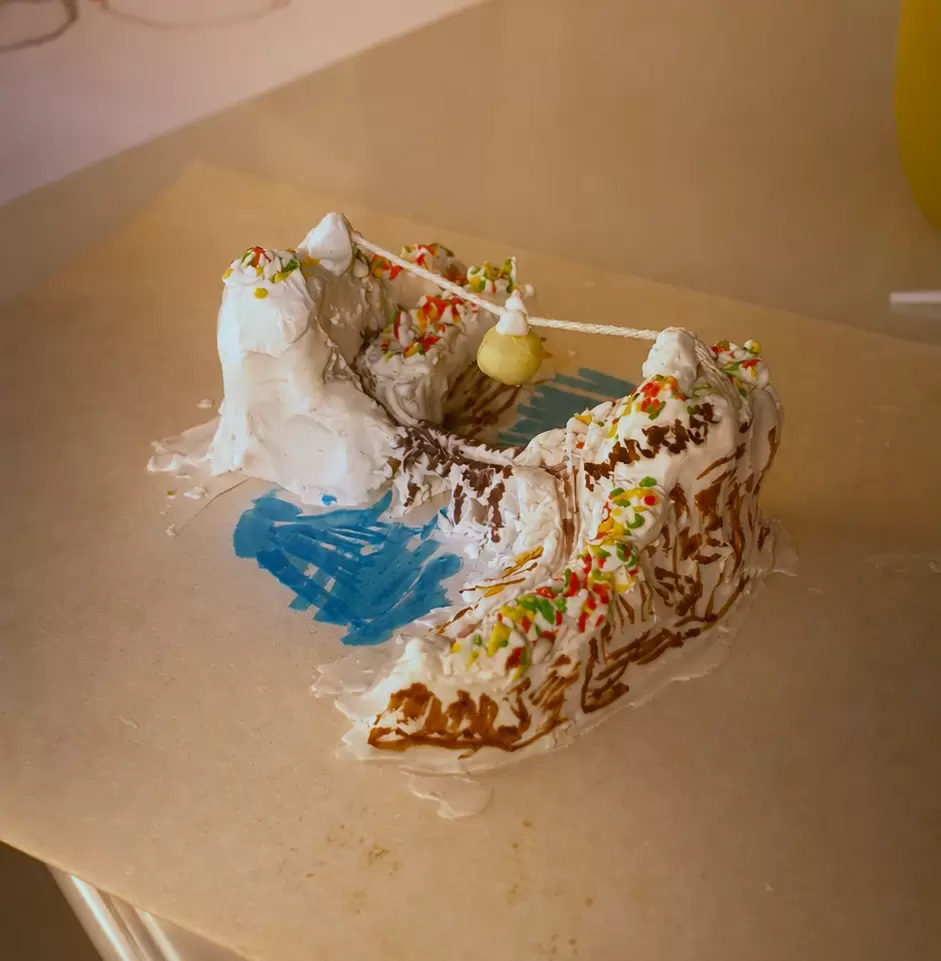
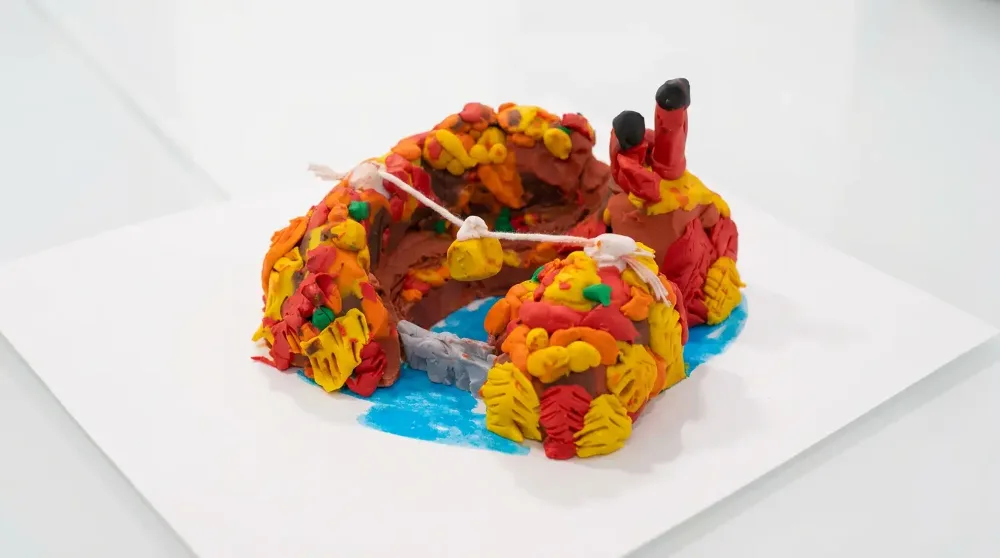
Clay sketch

In the next stage of the design process the idea was transferred from drawing to a three-dimensional modelling-clay sketch. This model helped test how Sigulda's autumn landscape would look in three dimensions and how the individual elements would work together inside the autumn globe.

The model featured terrain with trees in autumn colours, a water element, the bridge, the cable car and an architectural silhouette characteristic of Sigulda. Red, orange and yellow tones were used to highlight the mood of Sigulda's autumn, while blue accents the presence of the Gauja and the surrounding landscape.

This modelling stage was important for evaluating the composition, the scale of objects, depth and visibility from different viewpoints. The clay sketch served as a practical intermediate step between the initial sketches and the final prototype, allowing the souvenir's shape and visual story to be refined before final production.

Plasticine sketch of the autumn globe – the first volumetric model
Plasticine model of the Sigulda Autumn Globe – colourful autumn leaves, the Gauja Bridge over the blue river and two chimneys on a white base

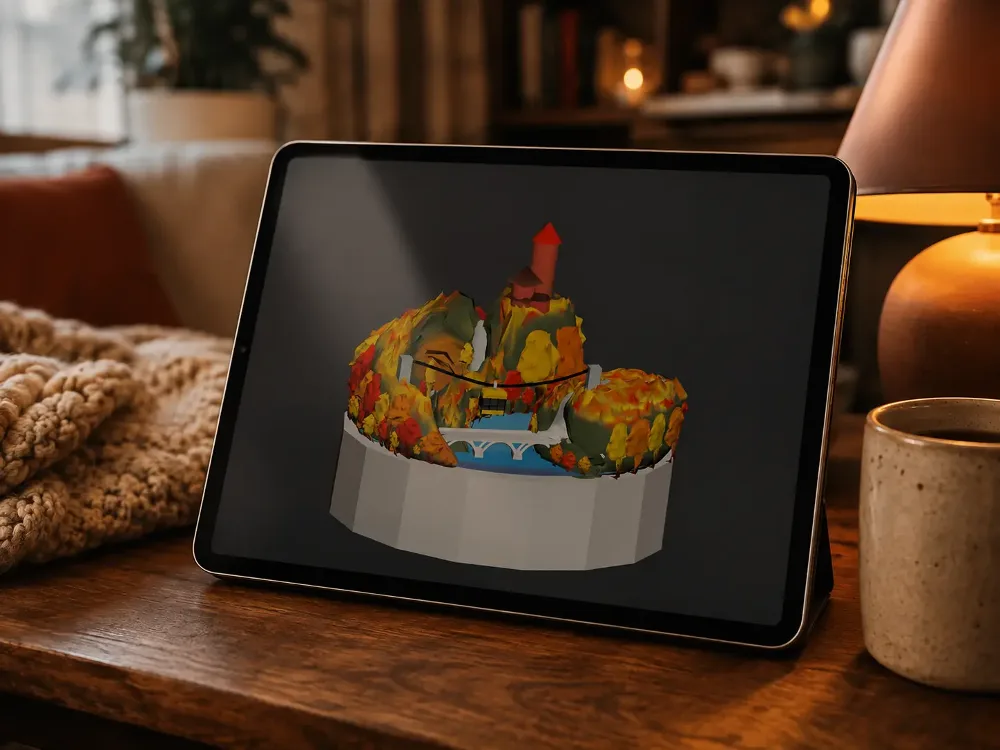
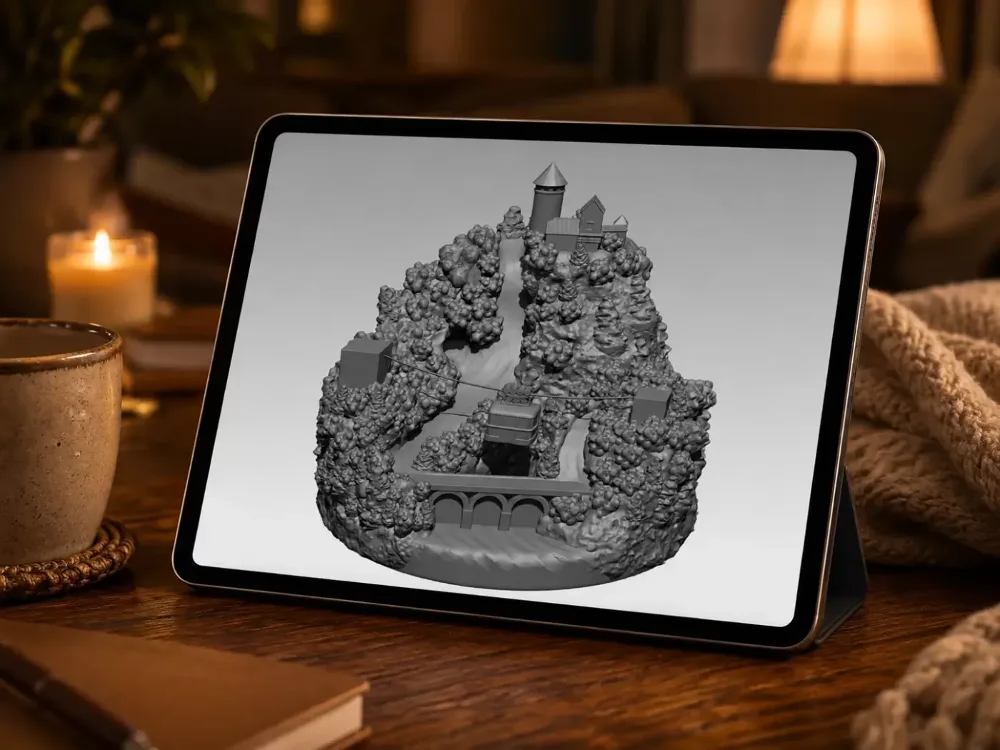
3D modelling

After the sketches and the modelling-clay prototype, the idea was transferred to a digital 3D model. At this stage the souvenir's composition, the proportions of the objects and their placement inside the autumn globe were refined.

The 3D model featured Sigulda's autumn landscape with terrain, trees, a water area, the bridge, the cable car and elements of the castle architecture. Special attention was paid to the autumn colour scheme and surface textures, so that the landscape would look expressive even at a small scale.

Digital modelling made it possible to view the design from different angles, check the relationships between elements and spot early where corrections were needed. This stage brought the idea closer to the final prototype and prepared the model for further production.

3D model of the Sigulda Autumn Globe in a computer program
Details of the autumn globe 3D model – Turaida Castle and landscape elements

Colour studies and the autumn palette

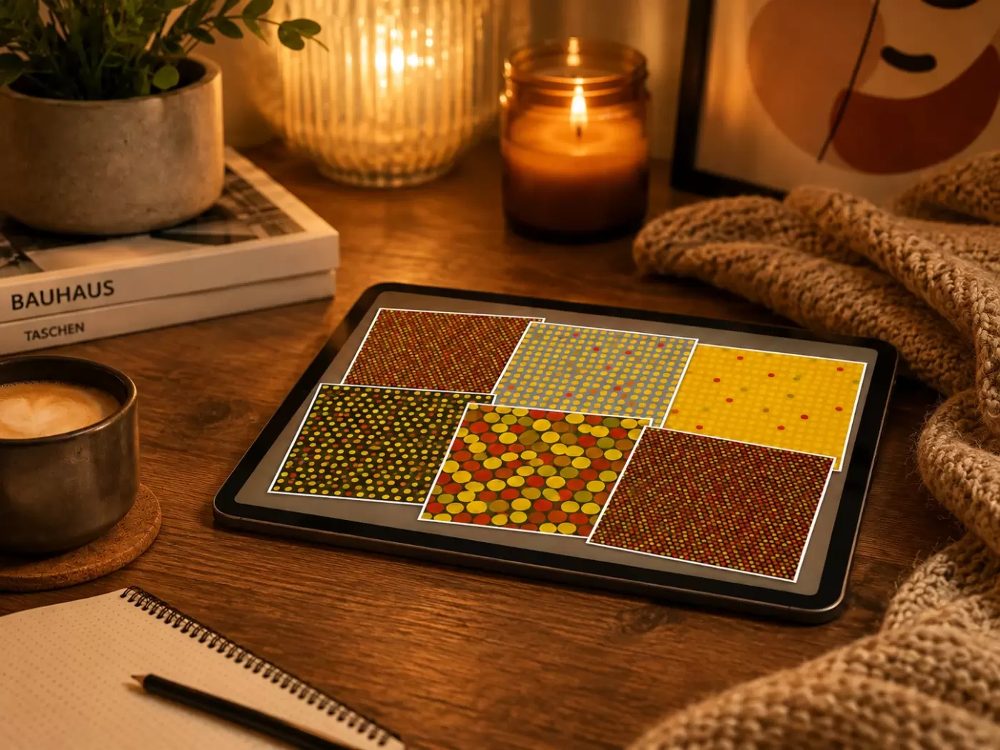
In these images different combinations of autumn colours were studied and compared to see how they read from a greater distance. The main goal was to find a palette that keeps clear contrast and visual dynamics even when the individual elements are very small. These colours are intended for my autumn-themed snow globe project, in which the traditional white snowflakes are replaced by falling, colourful leaves. Different proportions of yellow, orange, red, greenish and brown tones were tested, along with lighter and darker backgrounds. The dot patterns serve as a simplified model of how many small colourful leaves will look in motion and from a distance. These experiments helped evaluate which colour combinations best create a warm, saturated autumn impression while keeping enough contrast for the falling leaves to stand out clearly in the snow-globe scene.

Colour studies – developing the golden-autumn palette of Sigulda
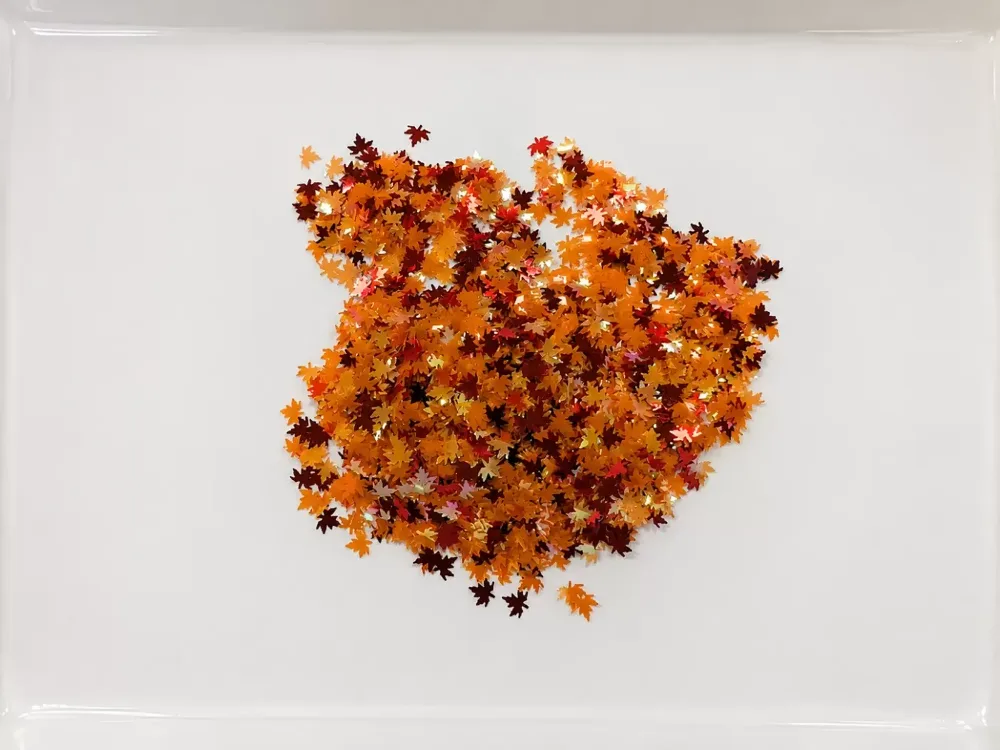
Golden autumn maple leaves – inspiration for the globe's colour palette

First prototype

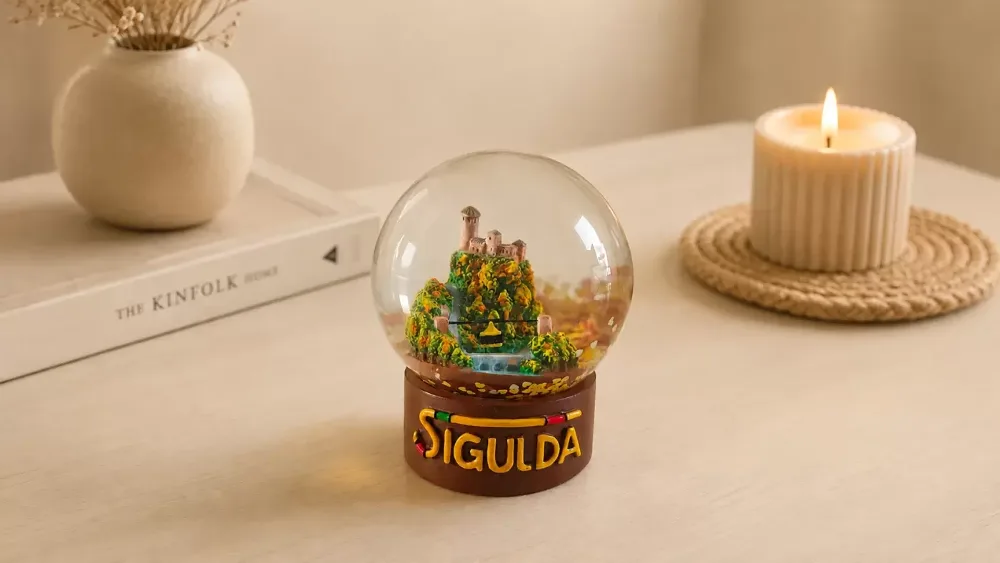
The first physical prototype turned the initial idea into a three-dimensional object. The Sigulda souvenir globe shows the castle surrounded by a rich autumn landscape in green, yellow, orange and red tones.

Unlike a traditional winter snow globe, this design highlights Sigulda in autumn, reflecting the town's characteristic nature, forests, historic architecture and seasonal mood. Making the prototype helped evaluate the scale of the objects, the visibility of the landscape through the glass dome, the shape of the base and the legibility of the word SIGULDA. This stage became an important step in refining the souvenir's design.

The first prototype of the Sigulda Autumn Globe

Initially the globe was planned with a diameter of 7 cm, but during development we concluded that this size was too small for the Sigulda landmarks to be seen clearly. The diameter was therefore increased to 10 cm. The larger size made it possible not only to show the landmarks better but also to make the cable car a moving element. As the globe grew, its lower base looked visually emptier, so it needed to be complemented with other characteristic Sigulda landmarks not already shown in the globe's design.

Size of the Sigulda Autumn Globe: 10 cm in diameter

Design sketch of the base

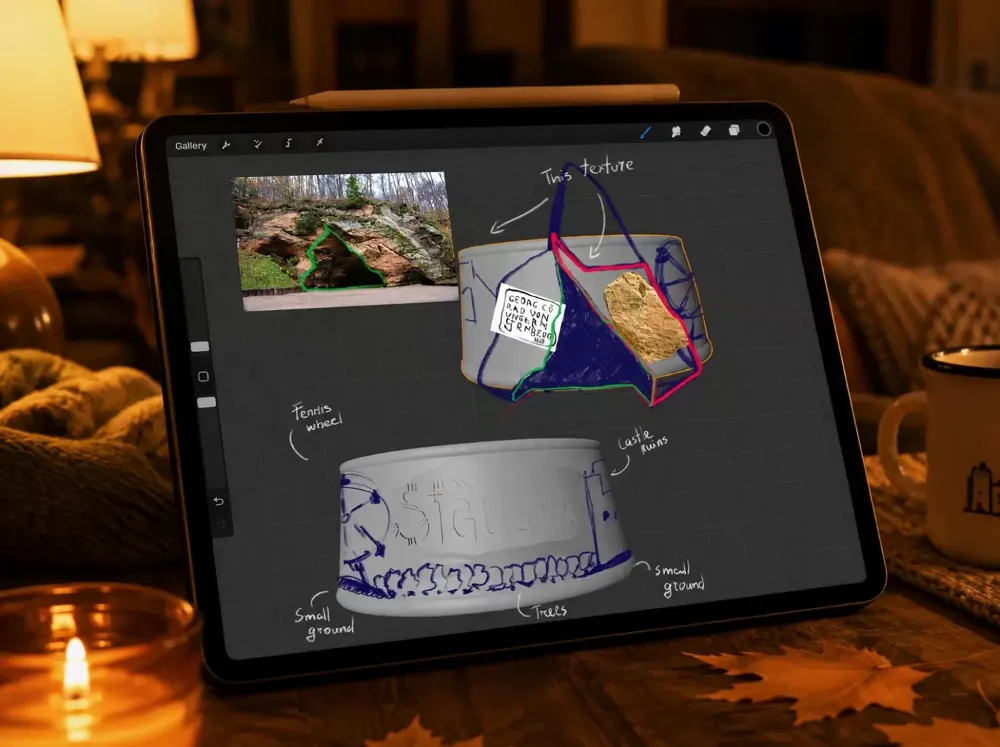
At the end of the design process a sketch of the globe's base was developed. At this stage it was especially important for us to include on the base those Sigulda elements that are not visible inside the globe itself. In this way the base became not just a support for the glass dome but an independent part of the narrative, expanding and enriching the overall message of the souvenir.

The base features the Ferris wheel and the ruins of Sigulda Castle: landmarks that did not fit into the composition of the globe itself but are closely tied to the town's image. The Ferris wheel adds a recognisable, modern Sigulda accent, while the castle ruins bring a historical and cultural dimension, recalling the town's ancient heritage.

The sketch explored the right placement, scale and balance of these elements so that they would form a unified composition with the word "SIGULDA" and the other decorative details. The base sketch helped us understand how to unite the landscape inside the globe with the symbols on the base, so that the souvenir reflects Sigulda's identity more fully from different viewpoints.

Design sketch of the autumn globe base with the word SIGULDA
Close-up of the Sigulda Autumn Globe base with golden-autumn details

The final result

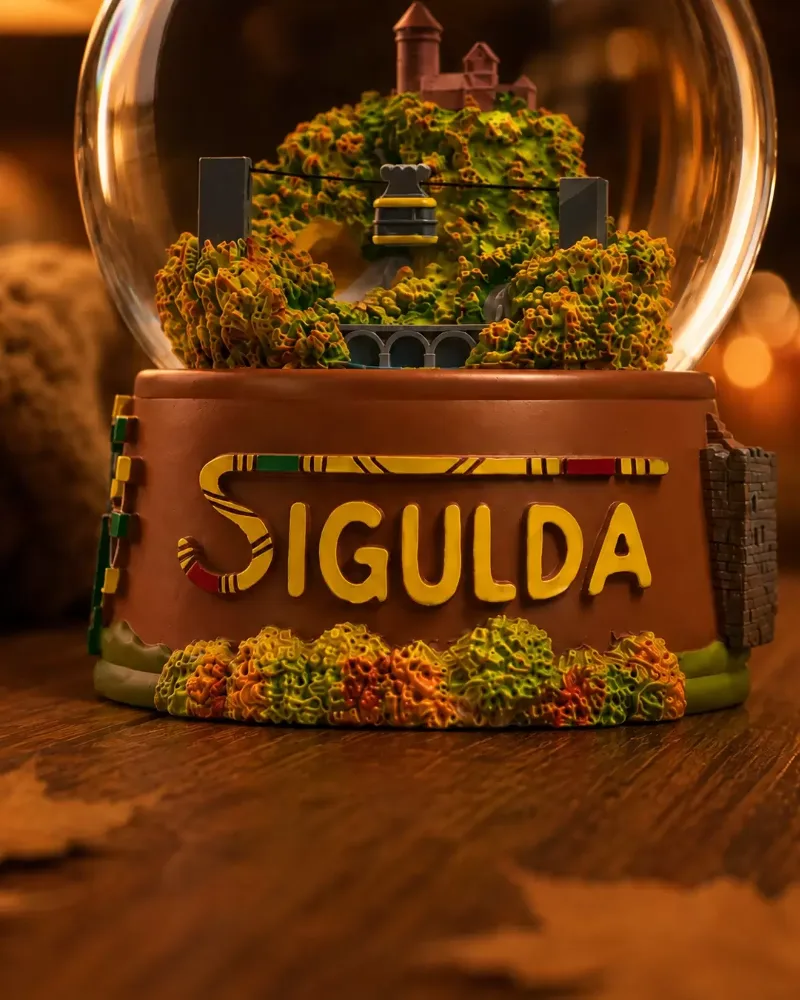
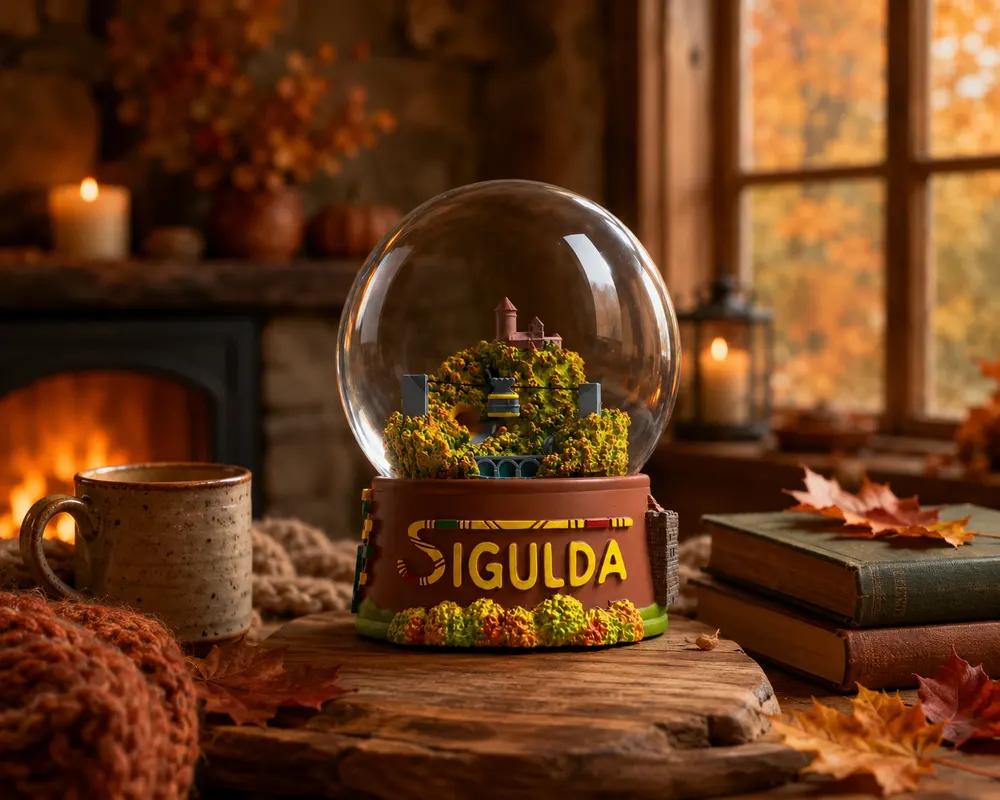
This is the final version of the autumn globe – a finished souvenir that brings all the previous stages of development together in a single, carefully crafted object. The glass globe measures between 7 and 10 centimetres, so every detail inside and on the base had to be made with special care to remain clearly visible at a small scale. The base carries an additional layer of design – the word "SIGULDA" together with bridge and tower elements that complement the main composition and strengthen the link to the town's image. One of the most special features of the finished product is the moving cable car, which travels along its cables inside the globe, giving the souvenir a dynamic, interactive character not found in ordinary globe designs. This detailed and carefully crafted final result shows that every previous stage – from the first sketches to the colour palette and the prototype – was a necessary step towards a thoughtful souvenir that is unmistakably Sigulda.

The finished Sigulda Autumn Globe – the final result